AI coding agents have made it possible to build a working product in weeks. They have also made it easy to ship a fragile one: code nobody has read, no tests, secrets in the repository. We build MVPs at AI speed with the habits of production software from the first day, so that what you launch can grow instead of being rewritten.
What is MVP in AI development?
An MVP (minimum viable product) is the smallest version of a product that real users can use and that tells you whether the idea works. In AI development, it can mean either an MVP of an AI product, such as an agent or an assistant, or any MVP built quickly with AI coding tools; we do both.
What you get
- A clickable prototype before any code. You validate the screens and the flow with real users first; changing a prototype costs hours, changing a product costs weeks.
- A written scope. What is in the MVP, what is not, and what "done" means for each feature.
- A demo every week. You see working software on a preview URL, not a status report.
- Tests and reviews from day one. Tests before code, code review, a blocking security review, and a green CI before every merge. The reasoning is in Is vibe coding bad?.
- Code you own. The repository, the hosting and the accounts are yours, with documentation so another developer can take over.
- Production basics. Authentication, error tracking, analytics with consent, backups, and payments if the product charges.
A typical MVP plan
| Week | What happens | You receive |
|---|---|---|
| 0 | Discovery call and workshop, written scope | A fixed quote and a clickable prototype |
| 1 | Foundations: accounts, data model, CI, deployment | A first preview URL |
| 2 | Core feature, end to end | A demo of the main user journey |
| 3 | Secondary features, payments or integrations | A demo, first test users |
| 4 | Hardening: edge cases, security review, monitoring | Launch, handover documentation |
This is a typical plan for a focused product, not a promise for every scope. The workshop fixes the real number of weeks before you commit.
Two real examples
- A product launched in under three weeks. Ficheck, one of our own products, reads an ecommerce product page and flags risky health and cosmetic claims with their regulatory source. Its first commit was on September 20, 2026; by October 7 it had 20 merged pull requests, live payments, and a test suite with a 95% minimum code coverage threshold.
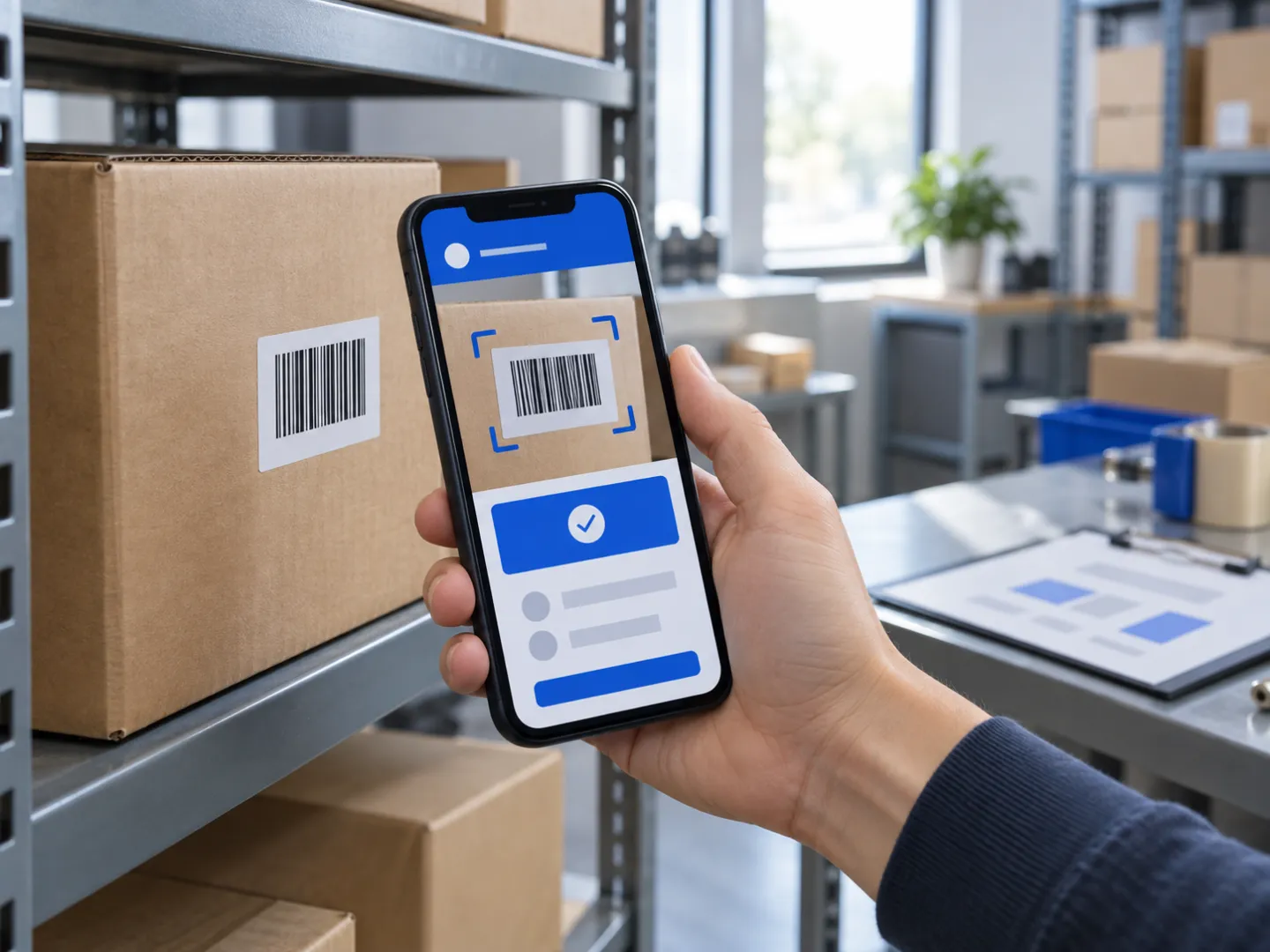
- A five-day proof of concept. For a French spare-parts distributor, we built a mobile web app in five days: a technician scans a part's barcode with a smartphone, falls back to a photo recognized by a vision model when the barcode is damaged, adds the part to a cart and sends the order to the ERP. The ERP connection ran in simulated mode, as agreed for a proof of concept; going to production would mean connecting the real ERP and adding the test suite.
Which AI is best for MVP?
There is no single best AI for an MVP; the best results come from a strong coding agent used by an engineer who reviews its work. We use Claude Code as our main coding agent and pick the model inside the product separately, based on the task and its cost.
For AI features inside the MVP, we often combine models: a small, cheap model to sort or extract, a stronger one to judge, and code with no AI at all wherever a rule is enough. That keeps the running cost low and the behavior predictable.
How to build MVPs with AI?
Build an MVP with AI by fixing the scope and the acceptance criteria first, letting AI coding agents write the code feature by feature, and checking every change with tests and reviews before it merges. The engineer's job shifts from typing code to specifying, reviewing and deciding what ships.
The steps we follow:
- Prototype and validate the flow before writing code.
- Write acceptance criteria for each feature.
- Let the coding agent write tests, then the code that makes them pass.
- Review, run the security pass, and merge only on a green CI.
- Demo, collect feedback, repeat.
After the MVP
If the MVP works, it becomes the base of the product, not a throwaway. We can keep developing it, maintain it on a monthly plan, or hand it over to your team. For larger internal applications, see custom software; for the engineering details, How we work.